Airlines often deny compensation by citing extraordinary circumstances for flight delays — but that explanation isn’t always accurate. Many passengers give up without realising these claims are often based on myths rather than the law.
In this article, we debunk the most common myths about extraordinary circumstances and explain when you may still be entitled to compensation under EU261 and UK261.
Check your compensation online.
What Are “Extraordinary Circumstances” for Flight Delays?
Under EU Regulation 261/2004 and UK261, extraordinary circumstances for flight delays refer to events that cause flight disruptions but are outside the airline’s actual control and could not have been avoided even if all reasonable measures had been taken.
These circumstances are exceptional situations — not routine operational problems or predictable risks associated with running an airline.
Airline Responsibility vs. Extraordinary Circumstances
A key distinction under the regulations is whether the disruption arose from the airline’s own operations or from truly external forces.
Events typically considered the airline’s responsibility include:
- Technical and mechanical issues caused by normal wear and tear
- Crew shortages or scheduling errors
- Internal strikes by airline staff (Virgin Atlantic staff strikes)
Events that may qualify as extraordinary circumstances include:
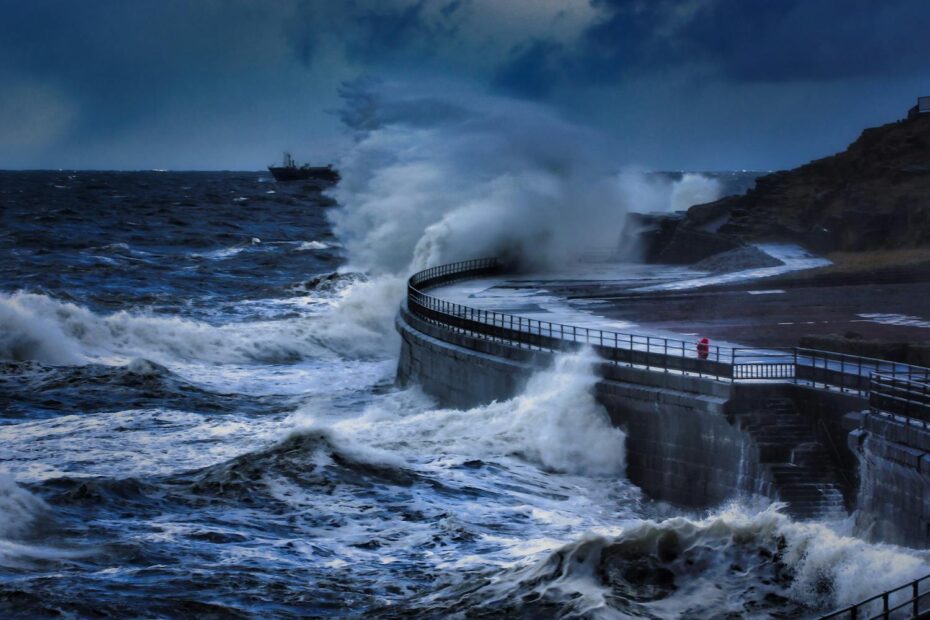
- Severe or extreme weather conditions that make flying unsafe
- Airspace closures or air traffic control restrictions
- Security risks or emergency airport closures
- Volcanic ash clouds or natural disasters
- Pandemics
- Terrorism threats
Each case is assessed individually, and airlines must demonstrate that the event truly falls outside their control.
Why the Airline Must Prove Extraordinary Circumstances
An airline cannot refuse compensation simply by saying the delay was caused by extraordinary circumstances. Under EU and UK rules, it is the airline’s responsibility to prove this.
The airline must:
- Clearly state what caused the delay or cancellation
- Show evidence that the cause was truly extraordinary
- Prove it did everything reasonably possible to prevent or limit the delay
If the airline cannot prove all of these points, passengers may still have the right to compensation.
Airlines often cite extraordinary circumstances for flight delays, but this does not automatically mean passengers lose all their rights.
Myths About Extraordinary Circumstances for Flight Delays
Myth 1: “All Technical Problems Are Extraordinary”
Many passengers assume that any technical issue automatically releases the airline from paying compensation. This is not true.
Most technical problems are considered part of an airline’s normal operations and are therefore the airline’s responsibility. Routine wear and tear, maintenance issues, or component failures are expected risks in aviation and do not qualify as extraordinary circumstances.
Examples of technical issues that are not extraordinary include:
- Faulty sensors or warning systems
- Engine or hydraulic malfunctions caused by normal use
- Electrical or software issues
- Problems discovered during standard maintenance checks
Only rare and exceptional technical defects may qualify as extraordinary circumstances. These include hidden manufacturing defects that affect flight safety and are identified by the aircraft manufacturer or aviation authorities, rather than by the airline’s routine inspections.
Myth 2: “Bad Weather Always Means No Compensation”
Weather-related disruptions are one of the most common reasons airlines deny compensation, but not all weather conditions qualify as extraordinary.
Severe or extreme weather — such as hurricanes, volcanic ash clouds, or heavy snow that makes flying unsafe — may be considered extraordinary circumstances.
However, normal seasonal weather like rain, wind, fog, or light snow is generally expected and should be managed by the airline through proper planning and scheduling.
Importantly, knock-on delays can still be compensable. If bad weather affected an earlier flight and caused your aircraft or crew to arrive late for your journey, the airline may still be responsible — especially if sufficient recovery measures were not taken.
Myth 3: “Airport Problems Automatically Exempt the Airline”
Passengers are often told that airport-related issues remove all airline liability. This is not always correct.
Certain airport disruptions — such as runway closures due to emergencies or security incidents — may qualify as extraordinary circumstances.
However, many airport-related delays remain the airline’s responsibility, including:
- Delays caused by poor coordination with ground handling services
- Late aircraft preparation or refuelling
- Boarding issues within the airline’s control
- Airline crew strikes
If the airline could have taken reasonable steps to avoid or reduce the delay, EU flight compensation may still be owed.
Myth 4: “Staff Shortages Are Extraordinary Circumstances”
Crew availability is a core operational responsibility of every airline. Internal staffing problems do not qualify as extraordinary circumstances.
Examples that do not exempt the airline include:
- Crew scheduling errors
- Crew running out of duty time
- Staff calling in sick without adequate backup
- Insufficient standby crews
There is an important distinction between internal staffing issues and external strikes. While strikes by airline employees (such as pilots or cabin crew) are usually considered within the airline’s control, strikes by external parties — such as airport security or air traffic controllers — may qualify as extraordinary circumstances.
Myth 5: “Airlines Decide What Counts as Extraordinary”
Airlines often cite extraordinary circumstances for flight delays, but this does not automatically mean passengers lose all their rights.
Many passengers assume that if an airline says a delay was caused by extraordinary circumstances, that decision is final. In reality, airlines are not the ultimate authority on what qualifies as extraordinary.
Airlines have a financial interest in avoiding compensation payments, which is why they often label disruptions as extraordinary. However, under EU Regulation 261/2004 and UK261, airlines must justify their decision with evidence — they cannot simply decide on their own.
The final determination of whether an event qualifies as extraordinary is made by regulators and courts, not airlines. National enforcement bodies, aviation authorities, and courts across Europe and the UK regularly review airline claims and assess whether the circumstances truly meet the legal definition.
Court rulings have repeatedly clarified that many reasons airlines cite — such as routine technical problems, staffing issues, or operational difficulties — do not count as extraordinary. If a regulator or court finds that the airline failed to prove the event was beyond its control or that it did not take all reasonable measures, compensation may still be owed.
In short, an airline’s refusal is not the final word. If your flight compensation claim was rejected, it may still be worth challenging the decision or having it independently reviewed with the help of a flight compensation company.
When choosing this option, here is all you will have to do:
And that’s it — the rest is handled by professionals.
* Your boarding pass and passport or ID copy.
Flight Cancellation/Flight Delay Compensation: Extraordinary Circumstances
You are not entitled to compensation for flight delays or cancellations caused by genuine extraordinary circumstances. In these situations, airlines are not considered responsible for the disruption and therefore are not required to pay compensation.
However, it’s important to be aware that airlines do not always provide accurate or complete explanations when rejecting compensation claims. This is especially common in cases involving technical problems with the aircraft.
To avoid paying compensation, airlines often describe technical issues as extraordinary circumstances, claiming the problem was beyond their control. In reality, this is usually not the case. Most technical faults are part of normal airline operations, and when something goes wrong with the aircraft, responsibility typically lies with the airline.
Your Right to Care During Extraordinary Circumstances
Even when a delay or cancellation is caused by extraordinary circumstances for flight delays, and compensation is not payable, passengers still have important rights under EU Regulation 261/2004 and UK261. These are known as the right to care.
Airlines remain responsible for looking after passengers during significant disruptions, regardless of the cause. This obligation applies even when the airline is exempt from paying compensation.
Depending on the length of the delay and the distance of the flight, the airline must provide:
- Meals and refreshments appropriate to the waiting time (starting from 3 hour delays)
- Access to communication, such as phone calls or emails
- Hotel accommodation if an overnight stay becomes necessary
- Transport between the airport and the hotel, where applicable
If your flight is cancelled, the airline must also offer you a choice between a refund or re-routing to your final destination at the earliest opportunity.
Read more:
- Virgin Atlantic Flight Delay Compensation
- Virgin Atlantic Flight Cancellation Compensation
- Virgin Atlantic Denied Boarding Compensation
There are many myths surrounding extraordinary circumstances for flight delays. Understanding what truly qualifies can help you determine whether you are entitled to flight compensation.
Featured photo by Ray Bilcliff from Pexels